Table of Contents
- It's that time: Daylight saving time out, standard time in | AP News
- When Will Congress Vote on Daylight Saving Time? Details
- Permanent daylight saving unlikely to pass, relieving some Jews
- Rep. Ralph Norman Explains Why Congress Can Come Together On Daylight ...
- Daylight saving time 2024: 5 facts about changing the clocks | kvue.com
- Bill introduced in congress to make daylight saving time permanent
- Permanent daylight saving unlikely to pass, relieving some Jews
- When is daylight saving time? When to set clocks ahead this weekend
- Senate Passes Legislation To Make Daylight Saving Time Permanent | The ...
- It's that time: Daylight saving time out, standard time in | AP News


The bi-annual time change, which typically occurs in March and November, has been a topic of discussion for years, with some arguing that it disrupts sleep patterns, affects health, and has minimal energy-saving benefits. Others claim that DST boosts the economy, promotes outdoor activities, and conserves energy. The Senate hearing aims to delve into the complexities of DST and explore possible solutions that could benefit the nation as a whole.

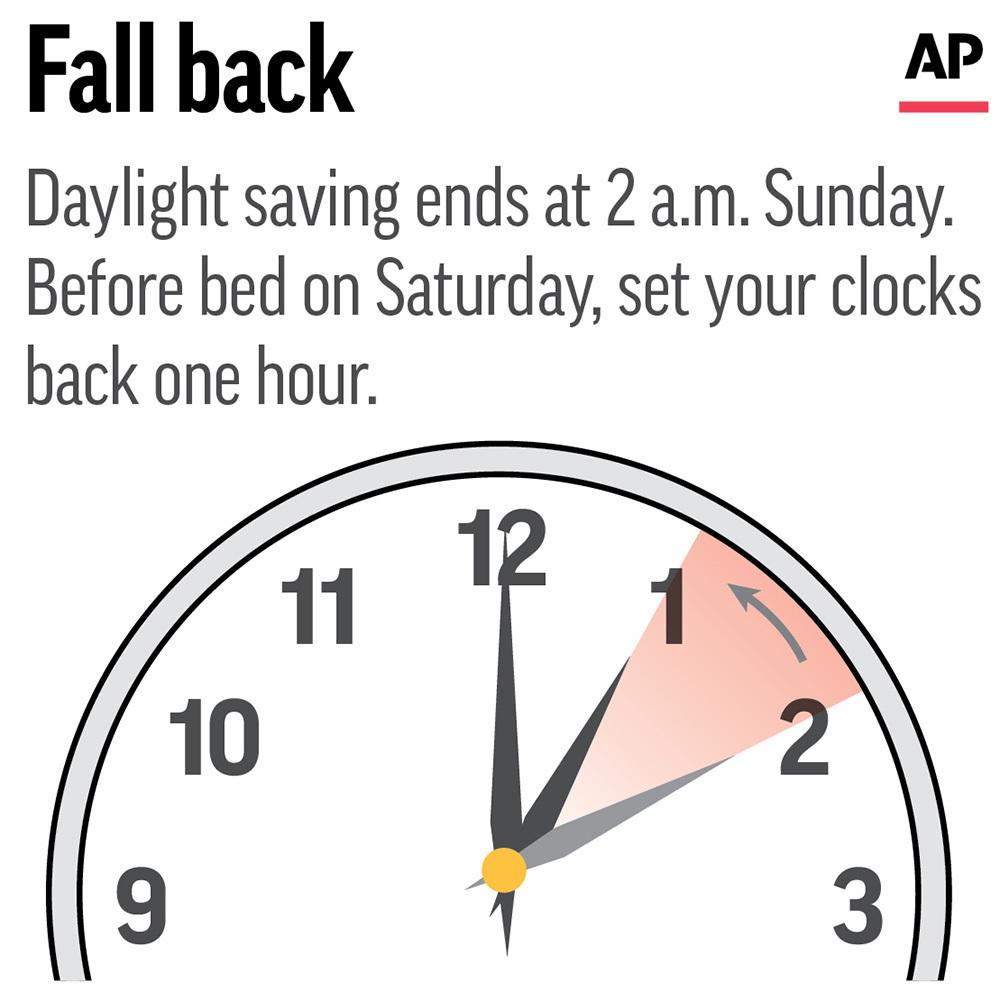
A Brief History of Daylight Saving Time

Daylight saving time was first introduced in the US during World War I as a way to conserve energy. The idea was to move the clock forward by one hour in the summer months, allowing people to make the most of natural daylight during their waking hours. The practice was implemented sporadically throughout the 20th century, with some states opting out or modifying the schedule. In 1966, the Uniform Time Act standardized DST across the country, with a few exceptions.

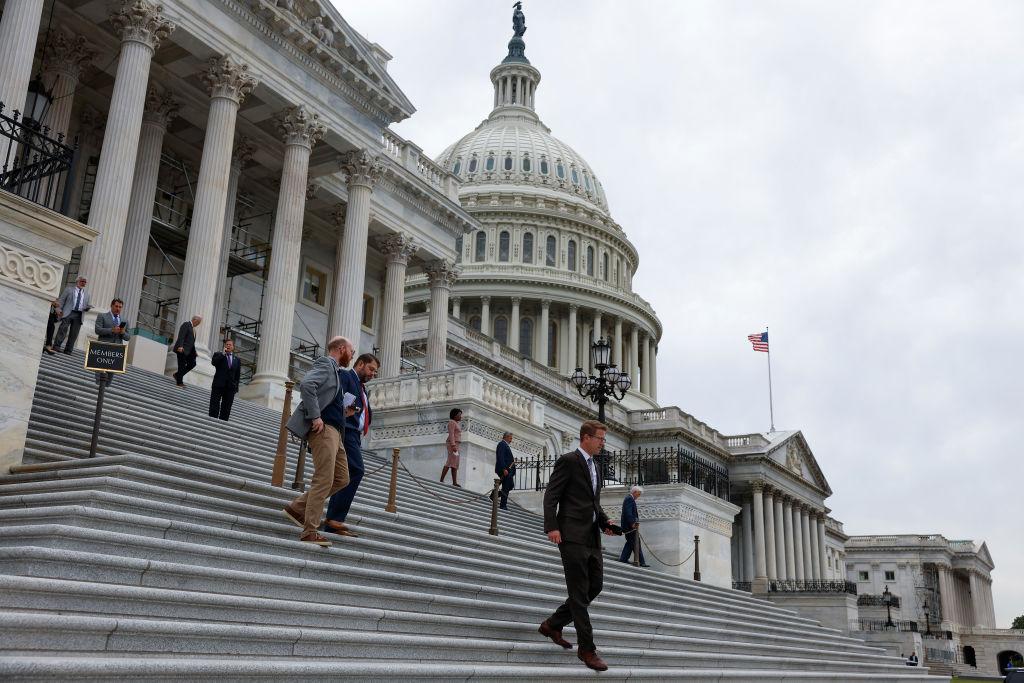
Arguments For and Against Daylight Saving Time

Proponents of DST argue that it saves energy, as people use less artificial lighting during the longer evenings. They also claim that it promotes physical activity and boosts local economies. On the other hand, opponents argue that the time change disrupts sleep patterns, leading to negative effects on health and productivity. Some also argue that the energy-saving benefits are minimal and that the time change is outdated.
What to Expect from the Senate Hearing
The Senate hearing will provide a platform for experts to present their research and opinions on the matter. Lawmakers will hear from a range of stakeholders, including health professionals, economists, and industry representatives. The hearing will also explore potential alternatives to the current DST system, such as a year-round DST or a flexible schedule. The goal is to gather information and spark a national conversation about the future of timekeeping in the US.
As the Senate hearing approaches, it is essential to consider the potential implications of any changes to DST. Whether the US decides to adopt a permanent DST, abolish it, or modify the current system, the effects will be far-reaching. By examining the evidence and listening to diverse perspectives, lawmakers can make an informed decision that benefits the nation as a whole. The future of timekeeping in the US is uncertain, but one thing is clear: the conversation has just begun.
Stay tuned for updates on the Senate hearing and the ongoing debate about daylight saving time. Will the US adopt a new approach to timekeeping, or will the traditional system remain in place? Only time will tell.